
This role has a moderate level of AI exposure. AI can enhance efficiency for some tasks, but this job still relies on human skills and decision-making.
Explore all careers
A Geochemist studies the chemical properties of rocks and minerals to enhance environmental quality, locate fossil fuels, and advise on conservation practices.
Get qualified to work as a Geochemist with a course recognised across Australia. Speak to a training provider to learn more.
Browse occupations related to Geochemist
The average weekly salary for a Geochemist in Australia is approximately $1,422, translating to an annual salary range of about $73,150 to $76,150. Increase your earning capacity by obtaining post-graduate qualifications in a specialist field (eg, environmental science, computer science, mineralogy, structural geology) and joining a professional organisation such as the Australian Institute of Geoscientists (AIG) or Royal Australian Chemical Institute (RACI).
 Courses.com.au Team
There are no clear employment figures for Geochemists working in Australia right now. They are employed by large corporations, especially in the resources, mining, conservation and renewable energy sectors. Other employment opportunities exist in industrial agriculture, academia and education, and government advisory services. Some Geochemists are self-employed consultants.
Courses.com.au Team
Get started as a Geochemist in Australia with a Bachelor of Science (Chemistry/Earth Science) or Bachelor of Earth Sciences (Geochemistry) followed by a Master of Geoscience. You will also benefit from a Master’s degree or PhD in a specialist field such as Environmental Science, Earth Science, Physics, Mathematics, Engineering, Structure Geology, and more.
Source: Australian Government Labour Market Insights 2023
Courses.com.au Team

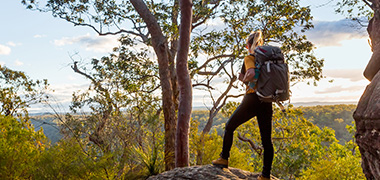
Geochemists are scientific professionals who have extensive knowledge of (both) chemistry and the earth sciences. They study the chemical structure of rocks and minerals and use their skills and knowledge to improve water and air quality, locate fossil fuels, improve agricultural and mining processes, and advise the government on conservation and waste management best practices.
As a Geochemist you could be collecting rock samples using drill-hole techniques from a proposed mining site, conducting a geochemical soil analysis for a government agency, tracking chemical elements in groundwater, supervising the entry of field data into a database, writing a report based on your fieldwork and laboratory tests, or attending an international conference for Geochemists and geoscience professionals.
Geochemists spend a lot of time outdoors, collecting field samples, analysing terrain, and running tests. To succeed you’ll need to be physically fit and willing to travel to remote, regional, and (very often) rugged locations.