This role has a moderate level of AI exposure. AI can enhance efficiency for some tasks, but this job still relies on human skills and decision-making.
Explore all careers
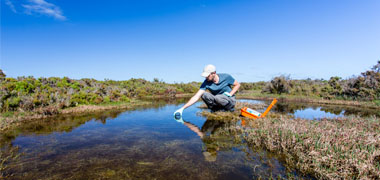
A Conservation Scientist studies and protects ecosystems by managing habitats, monitoring wildlife, and developing strategies for biodiversity preservation.
Get qualified to work as a Conservation Scientist with a course recognised across Australia. Speak to a training provider to learn more.

Browse occupations related to Conservation Scientist

If you are considering a career as a Conservation Scientist, South Australia offers a variety of specialised training programs designed to equip you with the necessary knowledge and skills. Enrolment in Conservation Scientist courses in South Australia will provide you with a strong foundation in environmental science, including the principles of sustainability and conservation management. These courses are administered by recognised training providers, ensuring that you receive high-quality education relevant to the field.
The geographical diversity of South Australia, from its coastal areas to arid interior, presents a unique opportunity for aspiring Conservation Scientists. The training opportunities available often incorporate fieldwork that allows students to engage directly with local ecosystems. Students may also find courses related to Environment and Sustainability and Environmental Management, which can further enhance their credentials and employability in various environmental sectors.
As graduates pursue roles in this vital field, they can explore multiple related job opportunities such as Environmental Consultant, Conservation Trainee, and Ecologist. Additionally, roles like Environmental Manager and Environmental Specialist are significant options for those looking to advance their careers and effect positive change in environmental policies and practices within the region.
In South Australia, the role of a Conservation Scientist goes beyond research; these professionals also contribute actively to the community by educating others about environmental issues. Career paths such as Environmental Educator and Environmental Advocate are essential for fostering awareness and responsibility towards conserving local ecosystems. Engaging in Conservation Officer or Field Assistant roles further allows professionals to make impactful contributions to environmental preservation efforts across the region.