Search

Dermatologist Courses

A Dermatologist specialises in diagnosing and treating skin issues, prescribing medications, and liaising with patients and other health professionals.

AI Exposure

Medium More information

Shortage in

  • NSW
  • VIC
  • QLD
  • WA
  • SA
  • TAS
  • ACT
  • NT

AI exposure data adapted from Felten, Raj & Seamans (2021). Shortage data sourced from Jobs and Skills Australia (2024).

Close

View all courses

How do I become a Dermatologist

Get qualified to work as a Dermatologist with a course recognised across Australia. Speak to a training provider to learn more.

Bachelor of Medical Science

Estimated fee

From $27,600

Duration

3 years

Study mode

Blended, On Campus

The Bachelor of Medical Science delves into the scientific foundations of medical practice, offering a deep understanding of life, death, health, and disease. This course extensively examines the body's functions, including its reactions to disease, drugs, and genetic factors. It integrates aspects of various scientific disciplines, providing a comprehensive insight into how the human body operates and responds to different medical conditions and treatments.

Career opportunities

Estimated fee

From $27,600

Duration

3 years

Study mode

Blended, On Campus

Find a provider

Bachelor of Medical Studies

Estimated fee

From $39,720

Duration

3 years

Study mode

On Campus

The Bachelor of Medical Studies lays the foundation for a successful career in health care, offering essential knowledge and skills. Medicine is an intellectually rewarding field, demanding critical problem-solving, teamwork, and integrity. This course prepares students to be deeply committed to wellbeing, focusing on protecting and promoting individual and community health. It is ideal for those passionate about alleviating pain and suffering, and caring for vulnerable people, shaping them into dedicated...

Career opportunities

Estimated fee

From $39,720

Duration

3 years

Study mode

On Campus

Find a provider
View all

Related career opportunities

Browse occupations related to Dermatologist.

Common questions

How much does a Dermatologist earn?

In Australia, a full time Dermatologist generally earns $4,200 per week ($218,400 annual salary) before tax. This is a median figure for full-time employees and should be considered a guide only. As you gain more experience you can expect a potentially higher salary than people who are new to the industry.

What are the job opportunities for a Dermatologist?

The number of people working in this profession has grown strongly in recent years. There are currently 470 people working as a Dermatologist in Australia, compared to 370 five years ago. Dermatologists may find work across all regions of Australia, particularly larger towns and cities.

Source: Australian Government Labour Market Insights

How do I become a Dermatologist?

A Bachelor of Medical Studies/Doctor of Medicine is an ideal qualification if you’re planning a career as a Dermatologist. This course allows you to specialise in an area of interest such as general practice, paediatrics, emergency care, psychiatry or surgery. You’ll cover medical science and clinical placement but also explore social issues affecting health care.

Choose a field of study

Healthcare

Healthcare and medicine are growing sectors, and demand is high for working professionals in these areas. Browse accredited health courses and health qualifications.

All courses

Aboriginal Health Care

Begin a rewarding career in Aboriginal health care, improving the health and wellbeing of Aboriginal and Torres Strait Islander peoples.

Allied Health

Allied health training is designed for students looking for careers supporting physiotherapists, occupational therapists, radiographers and other health professionals.

Alternative Health and Holistic Medicine

Learn more about human physiology while empowering your patients to contribute to their own wellbeing through better nutrition, spiritual practices, and lifestyle choices.

More information

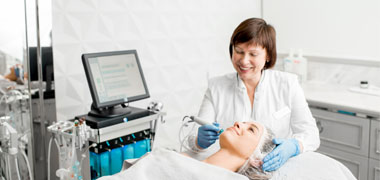
A Dermatologist is a medical practitioner that specialises in treating skin issues. You might examine patients and diagnose skin disorders. Dermatologists may order tests or refer patients to other health professionals when required. You might prescribe oral medication, topical creams or other treatments.

Dermatologists should have strong interpersonal skills and be able to communicate with patients from a range of backgrounds. You’ll need to follow correct procedures and have excellent attention to detail. Dermatologists must be able to liaise with other health professionals and medical staff.

Courses by location