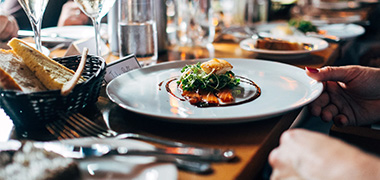
This role has a low level of AI exposure. Core skills such as adaptability, social intelligence, and complex physical tasks remain beyond the capabilities of current AI.
Explore all careers
A Demi Chef prepares food, orders supplies, and assists in kitchens, requiring organisational skills, teamwork, and the ability to follow instructions in a busy environment.
Get qualified to work as a Demi Chef with a course recognised across Australia. Speak to a training provider to learn more.
Browse occupations related to Demi Chef
In Australia, a full time Demi Chef generally earns $1,500 per week ($78,000 annual salary) before tax. This is a median figure for full-time employees and should be considered a guide only. As you gain more experience you can expect a potentially higher salary than people who are new to the industry.
 Courses.com.au Team
This industry has seen strong employment growth over the last five years. There are currently 38,300 people working in this field in Australia and many of them specialise as a Demi Chef. Demi Chefs may find work across all regions of Australia.
Source: Australian Government Labour Market Insights
Courses.com.au Team
If a career as a Demi Chef interests you, consider enrolling in a Certificate III in Commercial Cookery. This course covers basic cooking and food preparation methods and you’ll develop the skills to cook a range of meals, appetisers, salads and desserts. A Diploma of Hospitality Management (Commercial Cookery) may also be appropriate.
Courses.com.au Team
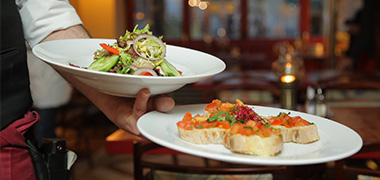

A Demi Chef performs a range of tasks in commercial kitchens from preparing food to ordering supplies. You’ll work alongside chefs and other kitchen staff in a restaurant, café or catering venue. Demi Chefs may prepare ingredients and cook menu items. You’ll present food for serving and may have to prepare food according to special dietary requirements.
Demi Chefs must be able to follow instructions and keep up with the demands of busy working kitchens. You’ll need to be organised and able to complete several tasks at one time. Demi Chefs should be good communicators and able to work as part of a team. You’ll often be required to work irregular hours such as nights, weekends or holidays.